South Africa’s Proposed Rules Would Ban Buying Bread With Bitcoin. MoneyBadger Wants Policymakers to Rethink

REGULATION

The Bread Test

Picture someone in a South African township walking into a grocery store, picking up a bread roll, and scanning a QR code at the till to pay from their phone. They pay in Bitcoin over the Lightning Network from a private, self-custodial wallet. They control their own keys, much like holding cash in their own pocket. The retailer receives rand through its existing payment provider. No money leaves the country. No foreign exchange is involved. No intermediary holds the customer’s funds at any point.
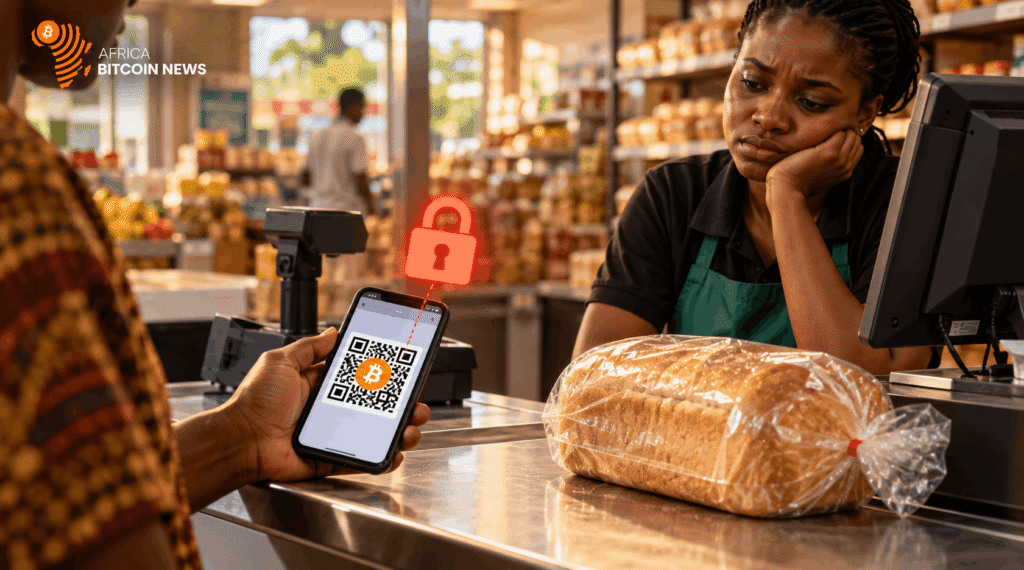

This kind of payment already happens today across South Africa, powered by providers like MoneyBadger, which processes Bitcoin payments at merchants including Pick n Pay and South African Airways. Most of the payments it handles are around R150 or less: bread, airtime, electricity tokens, everyday essentials paid for with Bitcoin held in private wallets. Yet under the draft Crypto Asset Manual published by the South African Reserve Bank on August 3, 2026, these payments would be classified as prohibited. The manual marks transfers from non-custodial wallets into authorised service providers as not allowed, with no exception for local consumer payments.

The Problem With the Draft

The SARB already distinguishes local payments from cross-border payments. A joint communication with the FSCA published on May 28, 2026, explicitly separates domestic digital asset transactions from those that cross borders. The draft manual contradicts that distinction by treating any payment from a private wallet as equivalent to a cross-border capital movement, regardless of whether the funds stay entirely within South Africa.

MoneyBadger CEO Carel van Wyk describes this approach as fundamentally flawed. Holding key ownership does not place a wallet overseas. Simply using a private wallet for a local transaction should not trigger exchange control restrictions or necessitate routine reporting to the Financial Surveillance Department. MoneyBadger collects and converts Bitcoin at a rate guaranteed for a short payment window, and the merchant receives the agreed rand amount in their South African bank account. Nothing leaves the country. In Mossel Bay, Bitcoin Ekasi has built a local circular economy where people earn and spend Bitcoin. MoneyBadger helps connect that economy to formal retailers, allowing people to spend their earnings directly from their private wallets while merchants receive rand.

What Needs to Change Before the Rules Are Finalised

MoneyBadger, alongside a growing number of South African Bitcoin users, builders, and industry voices, is asking policymakers for four specific changes.

  • Local payments from private wallets must remain classified as local, because holding private keys does not make a domestic transaction cross-border.
  • Genuine consumer payments, up to at least R50,000 adjusted annually for inflation, should be exempt from routine FinSurv reporting since the current cash reporting threshold already sets that benchmark.
  • Licensed local providers that already collect, convert, and settle Bitcoin payments in rand should be able to serve this market without requiring a separate FinSurv appointment.
  • And then SARB should publish the evidence explaining why a blanket private wallet restriction is necessary and what less restrictive alternatives were considered.

The Comment Window Closes Today

The public comment period on the draft Crypto Asset Manual closes today, September 30, 2026, at close of business. South Africans can read a summary and submit comments in under ten minutes through Dear South Africa. True financial inclusion requires offering people practical means to earn, save, and transact using tools already available to them. The final rules need to protect that. Let people buy bread with their Bitcoin.

ENJOYED THIS ARTICLE?Support the authorSend a zap over Lightning or on-chain