South Africa’s Eskom Considers Discounted Electricity for Bitcoin Mining

INFRASTUCTURE MINING

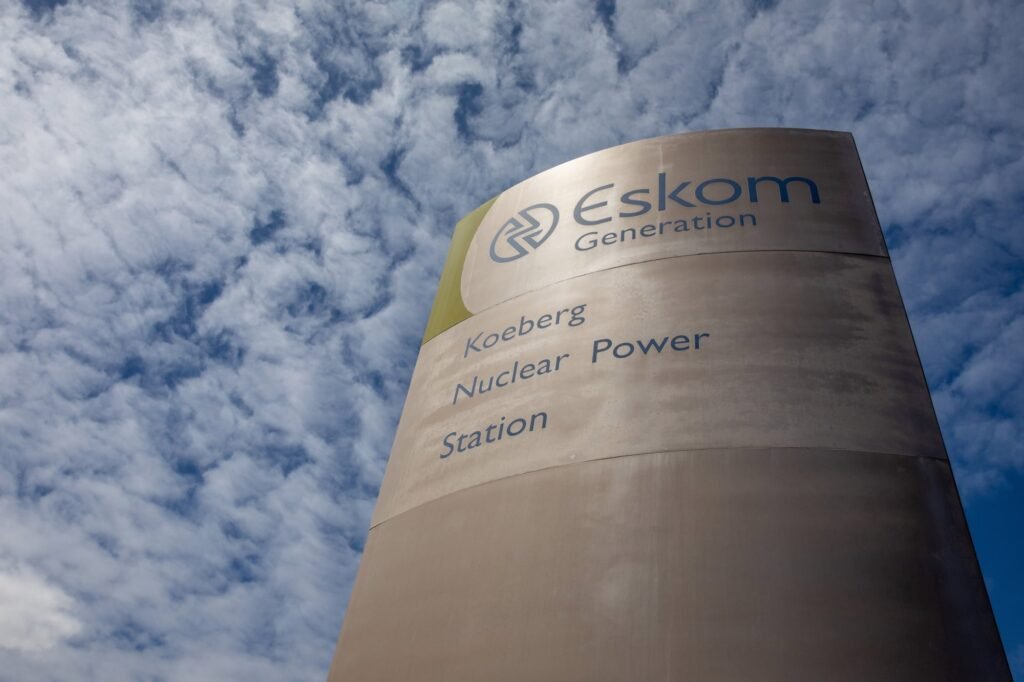
South Africa’s state-owned electricity provider Eskom is reportedly evaluating a proposal to offer discounted daytime electricity tariffs to Bitcoin mining operations as a way to absorb surplus renewable energy generated during solar peak hours.

The initiative is being considered as part of broader efforts to improve grid stability while making better use of electricity generated by South Africa’s expanding renewable energy sector.

During periods of strong solar production, power generation can sometimes exceed grid demand. Instead of shutting down solar generation, Eskom is exploring whether energy-intensive industries such as Bitcoin mining could absorb the excess supply.

Bitcoin Mining as a Flexible Energy Consumer

Bitcoin mining is often viewed as an ideal flexible energy consumer because mining facilities can adjust their electricity consumption almost instantly.

This allows mining operations to increase energy usage during periods of surplus electricity and reduce consumption during peak demand.

Globally, similar energy partnerships are already emerging between Bitcoin miners and renewable energy producers, particularly in regions with growing solar or wind capacity.

By acting as a buyer of last resort for excess electricity, mining operations can help improve the economics of renewable energy projects.

Potential Implications for Africa’s Mining Sector

If Eskom proceeds with such a policy, South Africa could emerge as one of the first African countries to actively attract Bitcoin mining through energy incentives.

The move could support the development of local digital infrastructure while also encouraging additional renewable energy investment.

Industry observers note that Bitcoin mining’s ability to monetize otherwise unused energy could make it an increasingly attractive partner for electricity producers across emerging markets.