Bitcoin Babies’ Kimbo Circular Economy Is No Longer an Experiment. G-Max Supermarket Just Put It on the Wall

ADOPTION COMMUNITY

Proof of Work, Painted on the Wall

G-Max Supermarket in Kimbo, Ruiru, has always called itself “Your Economical One Stop Shop.” Now it carries something else on its front wall: a full-colour mural showing a community of people holding phones with Bitcoin symbols, baskets of oranges, and a sign that reads “Fix the Money, Fix the World.” The store’s signage also reads “Official Partner Bitcoin Babies.” This is not a sponsorship deal or a marketing stunt. It is a neighbourhood supermarket declaring, on its own wall, that it has chosen to be part of a Bitcoin economy.

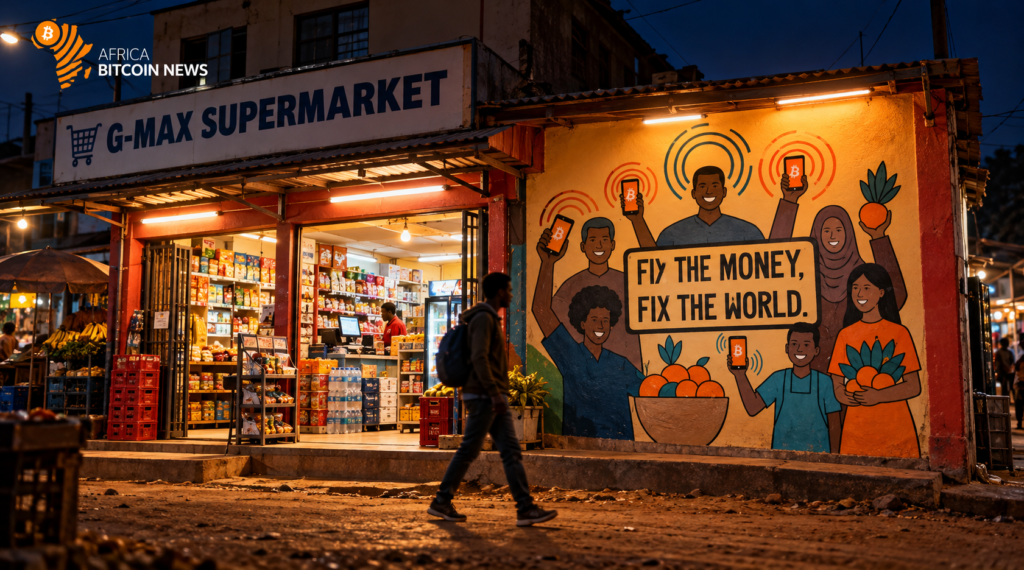
The mural was unveiled in early October 2026 and has quickly become the visual centrepiece of the Kimbo circular economy built by Bitcoin Babies, the Kenyan initiative founded by Naomi Ngacha that empowers mothers through weekly Bitcoin stipends, financial education, and merchant onboarding. G-Max is one of several merchants in Kimbo that accept Lightning payments through Blink, alongside Wakari Grocery, Friendly Pharmacy, Marvelous Butchery, Waruchu Poshomillers, Levina Groceries, and others.

Not Just Payments. Community

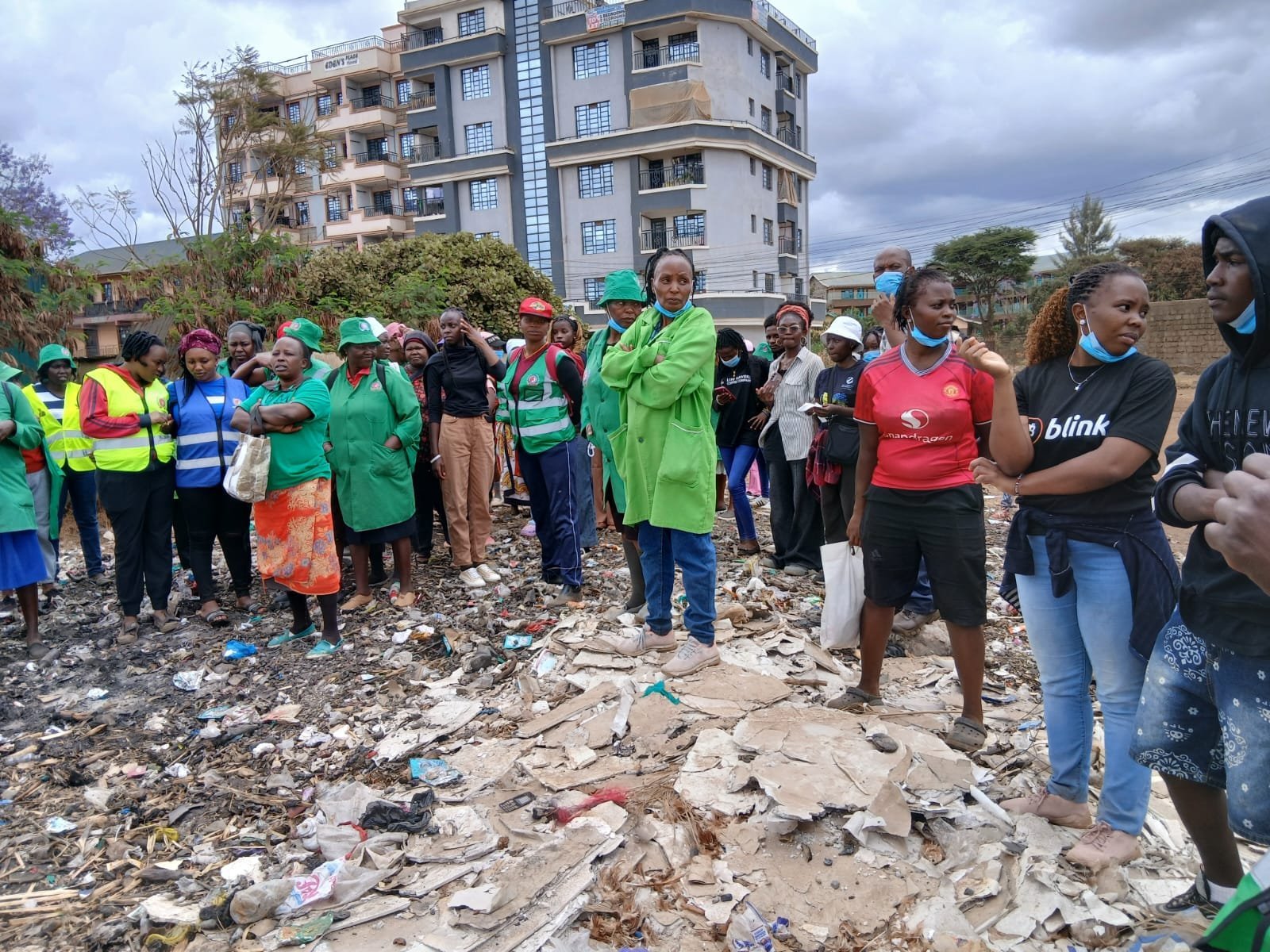
On October 11, Bitcoin Babies posted images of mothers, local merchants, and neighbours standing side by side outside G-Max, clearing piles of community waste together. “Real community isn’t built on a screen,” the team wrote. “It’s built on the ground.” The clean-up started right outside the supermarket and moved through the surrounding streets, with women in matching green vests and Blink-branded shirts working alongside residents.

This is what separates a circular economy from a merchant onboarding list. The mothers in the Bitcoin Babies programme receive $5 in sats every week through Lightning wallets. They spend those sats at G-Max and other local merchants. The merchants accept Bitcoin because the mothers are consistent, repeat customers. And now the same community that transacts together is cleaning its own streets together, anchored by a supermarket that has literally painted its commitment to Bitcoin on its front wall.

Why a Mural Matters More Than a Metric

Bitcoin adoption in Africa is often measured in transaction volumes, wallet downloads, and merchant counts. But a mural on a supermarket wall in a Kenyan neighbourhood tells a different kind of story. It tells you that the owner of G-Max did not just agree to accept Bitcoin. They identified with it. They made it part of their brand. They told their neighbourhood, in paint, that this is who they are now. That kind of commitment does not come from a discount campaign. It comes from a community that has earned the merchant’s trust through consistent, real economic activity over time.

ENJOYED THIS ARTICLE?Support the authorSend a zap over Lightning or on-chain