Eight Kisumu Businesses Begin Accepting Bitcoin in Five Days Through a $1 QR Payment System

ADOPTION

Eight Businesses Say Yes to Bitcoin in Five Days

A grassroots Bitcoin adoption initiative in Kisumu, Kenya, has onboarded eight businesses to accept Bitcoin within five days, giving local merchants a way to receive payments through the Lightning Network without changing their existing payment systems.

The initiative is being led by Stanley Chege Thuita, a Kenyan Bitcoin and Lightning developer building Altradits, an open-source project focused on creating Bitcoin tools for local businesses and communities.

Between November 8 and November 12, 2026, eight businesses joined the pilot through a product called kTown. The participating businesses include Mama Jobu Hotel, Kisumu Explorers, Austine Kicks, Lake Basin Mall Hotel, Mall Café, Debs Beauty Hub, Judphil Cyber and Edu Shop.

Six of the businesses operate physical locations, while two operate online.

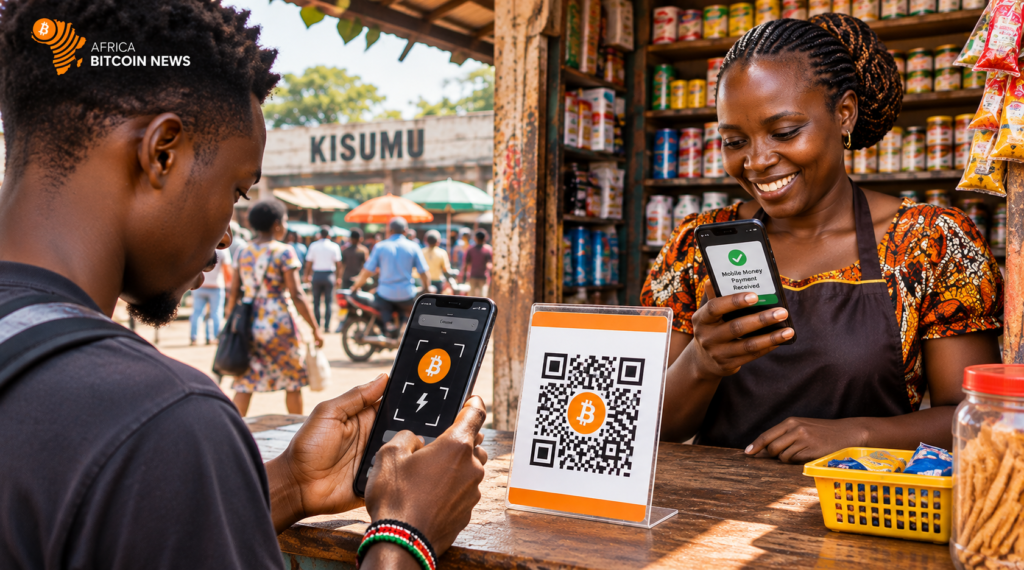
The approach is deliberately simple. Each participating merchant receives a QR code that customers can scan using any compatible Lightning wallet to make a Bitcoin payment.

How kTown Connects Bitcoin to M-Pesa

The payment system is designed to remove the technical requirements that often prevent small businesses from accepting Bitcoin.

Customers scan the merchant’s QR code and pay in satoshis using a Lightning wallet. The merchant receives the equivalent payment in Kenyan shillings directly through M-Pesa.

Merchants do not need to download a Bitcoin wallet, operate an exchange account or manage Lightning channels. Their existing payment experience remains unchanged.

Each physical merchant receives a printed and laminated QR poster, designed to withstand everyday use in busy business environments. The developer estimates that producing each poster costs approximately $1, and participating merchants are not charged for onboarding.

To demonstrate that the system works, Thuita made initial payments at the participating physical businesses using his own sats, allowing merchants to see the Kenyan shilling settlement arrive on their phones.

The product effectively connects Bitcoin’s payment infrastructure to an existing mobile money network without requiring merchants to change their daily operations.

The Next Challenge Is Getting More People to Spend Bitcoin

While the eight-business pilot demonstrates that merchants can be onboarded relatively quickly, Thuita says merchant acceptance is only one part of building a functioning Bitcoin economy.

In his November 12 update, he explained that the next challenge for Kisumu is increasing the number of people who earn Bitcoin and have a reason to spend it locally.

He also plans to continue onboarding merchants, targeting one additional business each week, while developing his open-source Bitcoin skills.

The initiative provides another example of how Bitcoin adoption can develop through relatively inexpensive, locally built payment tools rather than large institutional payment integrations.

If the model expands, more Kisumu businesses could accept Bitcoin while continuing to receive payments in the currency they already use.

ENJOYED THIS ARTICLE?Support the authorSend a zap over Lightning or on-chain