Rust for Bitcoin 2.0 Concludes with 22 Merged Pull Requests and Successful Demo Day

DEVELOPMENT ECOSYSTEM OPEN SOURCE

The program, hosted at TheBuidl Grid in Barnawa, Kaduna, Nigeria, focused on turning intermediate developers into active contributors to Bitcoin’s open-source ecosystem.

It covered practical topics including transaction construction, hierarchical deterministic (HD) wallets, Bitcoin Core workflows, key Rust libraries, and Lightning Network development.

Participants received access to live Bitcoin and Lightning nodes via Bitrpc infrastructure and followed structured peer-review processes modeled on Bitcoin Core standards.

Strong Results from Hands-On Training and Capstone Work

According to TheBuidl’s update, the cohort produced 22 merged pull requests across repositories including BDK, rust-payjoin, Floresta, rust-miniscript, rust-bitcoin, Bitcoin Core, and Lightning-related projects.

Several more PRs remain open. The two-week capstone phase required participants to move from concepts to working implementations, with Demo Day providing a platform for live presentations of their projects.

This builds on the first Rust for Bitcoin edition, in which participants shipped production-grade open-source wallets, block explorers, script interpreters, and Lightning tooling.

Cohort 2 raised the bar with formal post-graduation tracking and a stronger emphasis on real contributions.

Partnership Aligns with Broader Mission to Decentralize Bitcoin Development

The collaboration with Btrust supports the non-profit’s goal of expanding the pool of Bitcoin developers, particularly from Africa and the Global South. Btrust, runs programs such as Btrust Builders pathways (including its own Rust for Bitcoiners track) to grow open-source contributors.

TheBuidl, a Kaduna-based research and development grid focused on Web3 tools, training, and open-source work, has hosted related Bitcoin community events such as BitDevs Kaduna meetups.

The program attracted more than 100 applications and selected participants through a structured assessment process. Mentors and tutors included Smartmove, Gideon Bature, Shola Akiniyi, Oyin Damola, and Johns Danlami.

A public GitHub repository documents the curriculum structure, including weekly labs on Bitcoin fundamentals, transaction modeling, raw transaction parsing.

And decoding, address formats, and HD wallets (BIP39/BIP32/BIP44). Capstone options included wallets, Lightning tools, CLIs, indexers, and explorers.
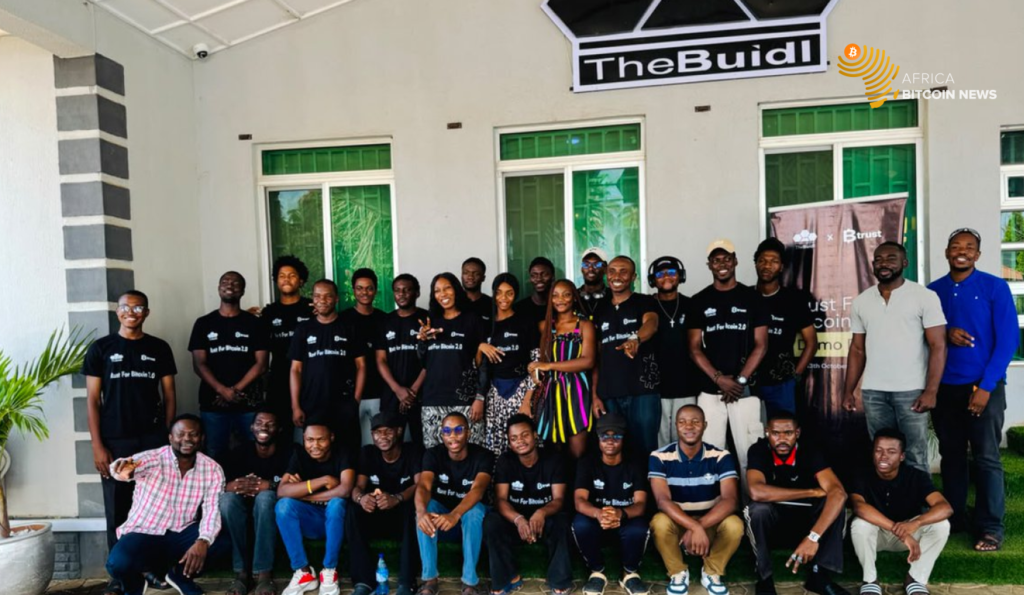
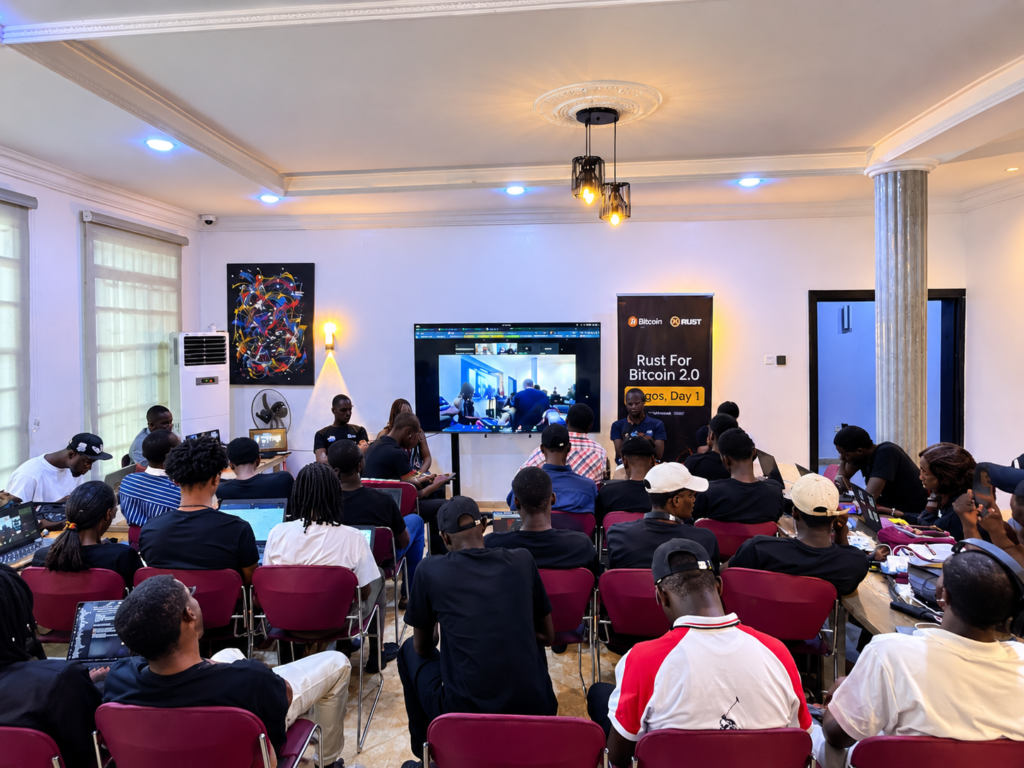
Rust for Bitcoin 2.0 Ends with 22 Merged PRs and Demo Day Success

Why Rust Training Matters for Bitcoin?

Rust has become increasingly important in the Bitcoin ecosystem because of its memory safety without a garbage collector, high performance, and strong type system. Major projects such as rust-bitcoin, BDK, and Lightning-related libraries rely on it.

Programs like Rust for Bitcoin 2.0 help developers bridge the gap between learning the language and making reviewable contributions to production codebases.

TheBuidl noted that learning continues through building and that contributions will continue through open source.

The organization and Btrust both emphasized the value of creating a sustainable pipeline of developers capable of engaging with real Bitcoin code rather than remaining at the tutorial stage.

ENJOYED THIS ARTICLE?Support the authorSend a zap over Lightning or on-chain