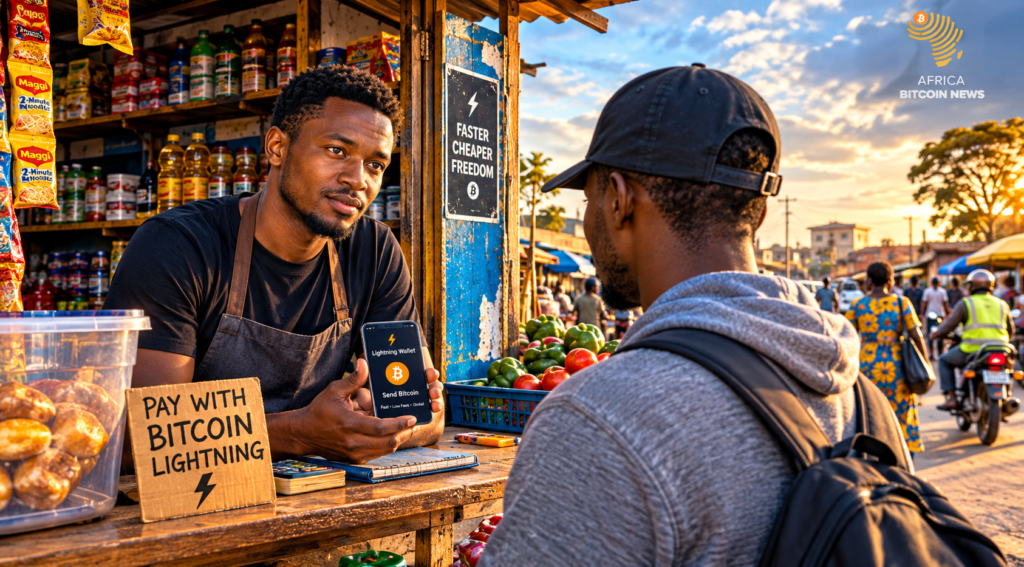
You have seen the pictures.
A shopkeeper smiling while holding a phone.
A handwritten “Bitcoin Accepted Here” sign.
A short video of sats moving across a counter.
A group photo outside a small stall that now accepts Lightning.
These moments feel like progress.
And in many ways, they are.
Across Kenya, South Africa, Uganda, and other parts of the continent, Bitcoin circular economies have grown. Projects have onboarded merchants, recorded real payments, and shown that people can earn and spend sats in their own communities. The work is real. The effort is serious.
But there is a quieter question that does not appear in the photos:
What happens three months later — when the visitors have left, the campaign has ended, and no one is filming?