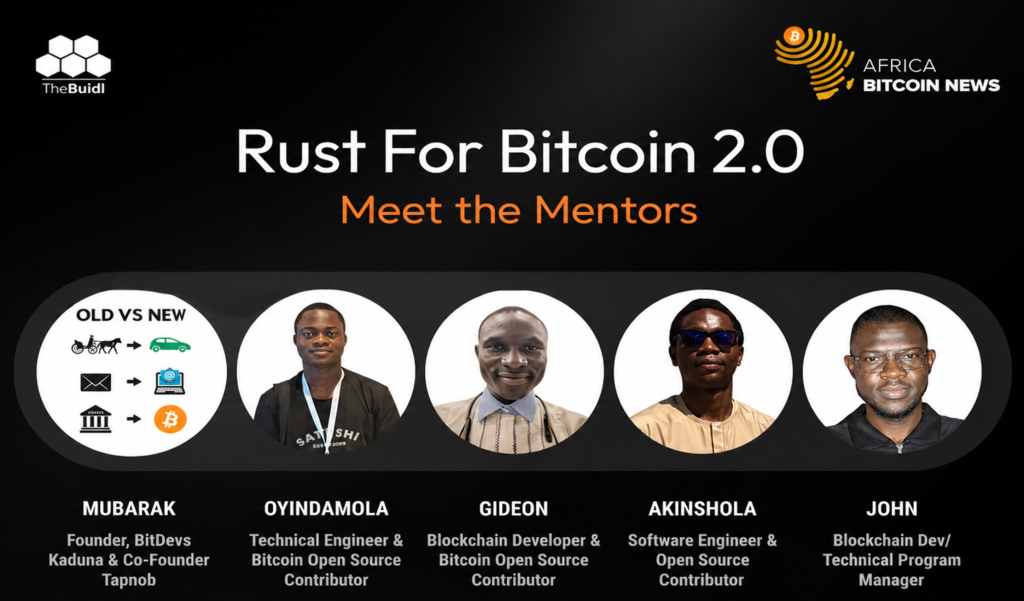
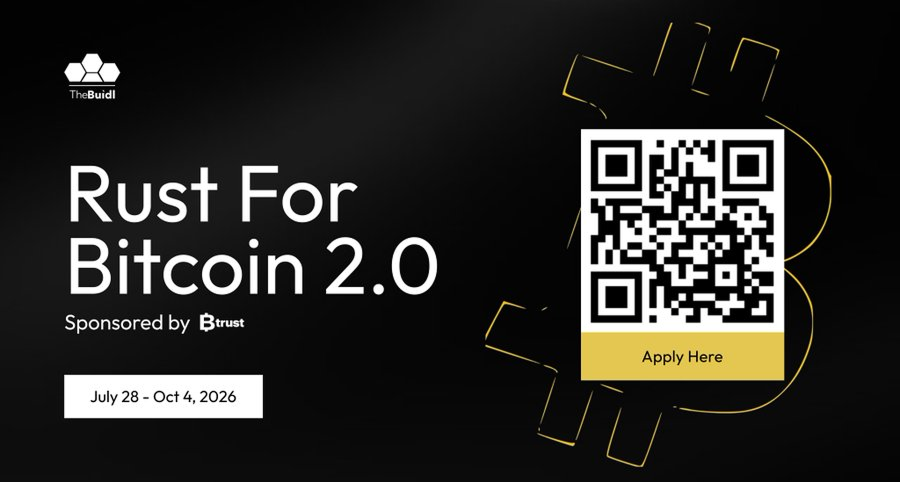
Rust has become increasingly important in Bitcoin development. Many modern projects, including libraries for wallets, Lightning. And protocol tooling, are written in Rust because of its memory safety, performance and strong type system. By training developers in these skills with a focus on real contribution standards. Programs like Rust for Bitcoin 2.0 help expand the geographic and cultural diversity of Bitcoin’s core contributor base.
The launch comes at a time when African Bitcoin communities continue to grow through education initiatives, developer grants, local meetups and practical adoption. Structured programs that produce verifiable open-source work strengthen the continent’s role in the global Bitcoin ecosystem.
Participants will spend the coming weeks learning deeply, collaborating intentionally, and making meaningful contributions. Outcomes from the cohort are expected to include new open-source tools and, more importantly, developers prepared to engage with Bitcoin Core and related projects at a professional level.
As Bitcoin development continues to professionalise, initiatives that deliberately build talent pipelines in Africa play a critical role in keeping the network resilient, decentralised and globally representative.