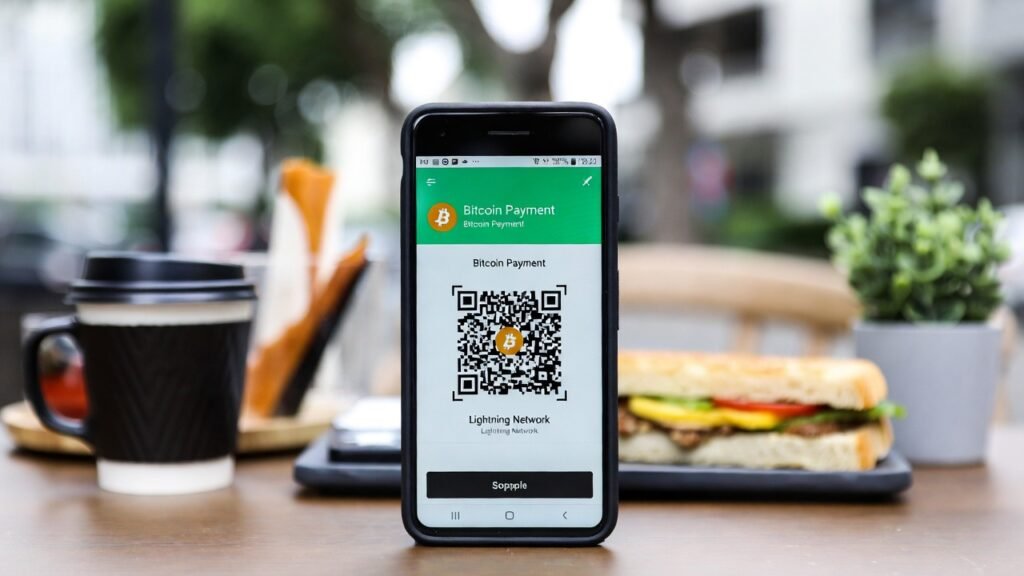
South Africa’s merchant surge is part of a larger continental story. According to Chainalysis’ 2025 Geography of Cryptocurrency Report, Sub-Saharan Africa received over $205 billion in on-chain cryptocurrency value between July 2024 and June 2025—a 52% year-over-year increase. This positions the region as the third-fastest-growing crypto economy globally, behind only Asia-Pacific and Latin America.Key drivers include:
- Remittances: Cheaper, faster cross-border transfers bypassing expensive traditional channels.
- Inflation hedging: In countries facing currency devaluation, Bitcoin and stablecoins serve as reliable stores of value.
- P2P and retail activity: A higher share of small transfers (8% under $10K vs. global 6%) reflects grassroots, everyday use—Nigeria alone accounted for $92 billion, with Bitcoin dominating fiat on-ramps.
South Africa contributes significantly here, blending institutional clarity, merchant infrastructure, and community momentum. Events like Adopting Bitcoin Cape Town 2026 (held January 2026) highlighted these real-world use cases, from Lightning bootcamps to building resilient parallel economies amid infrastructure gaps.
As fiat systems face ongoing pressures, high remittance fees, capital controls, and inflation in multiple nations, Bitcoin’s borderless, censorship-resistant nature shines.
South Africa’s model shows how Lightning Network adoption can bridge the gap: turning global sound money into local utility without forcing merchants to hold volatile assets. With adoption accelerating (from grassroots circular economies to national-scale integrations), the continent is proving that Bitcoin solves real problems for real people.