The BCEAO’s Dakar Conference on Crypto-Assets: Opportunities, Challenges, and Implications for Bitcoin in West Africa

POLICY

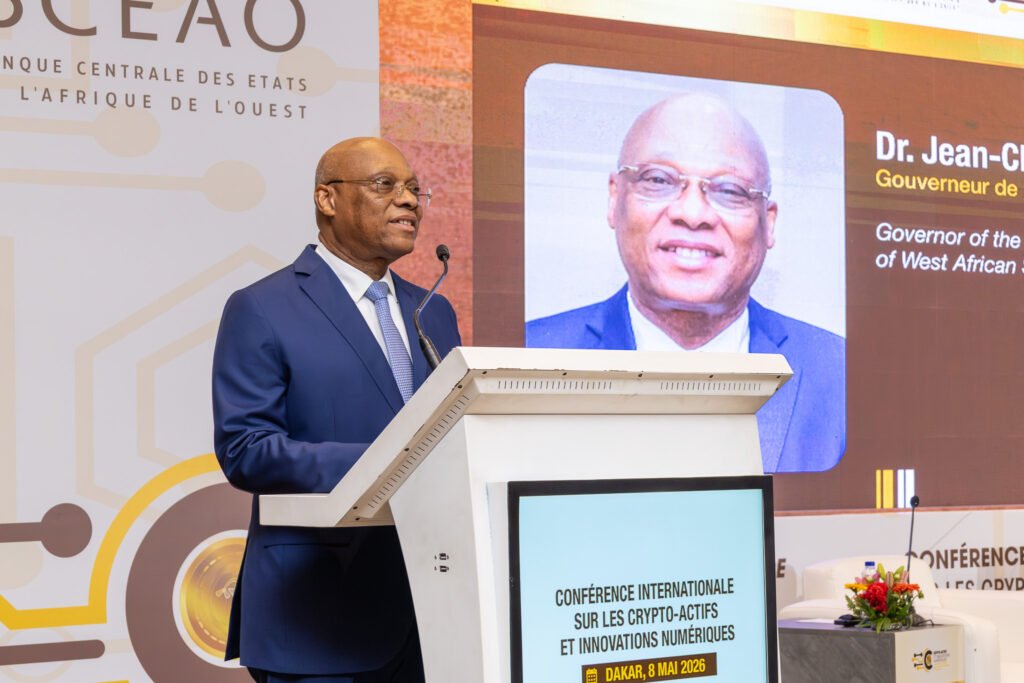
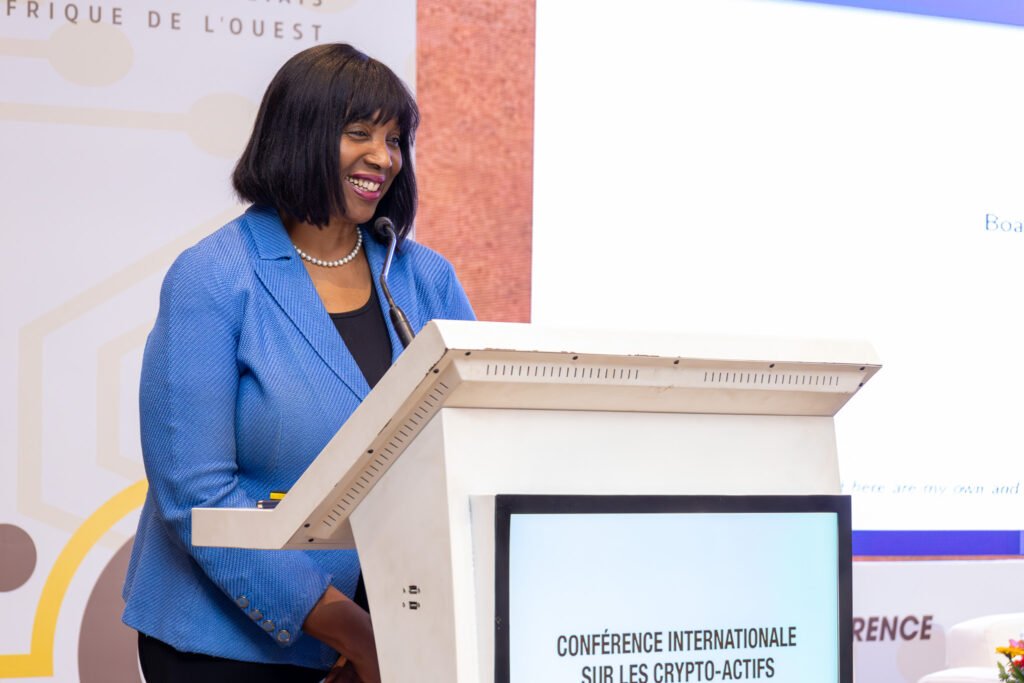
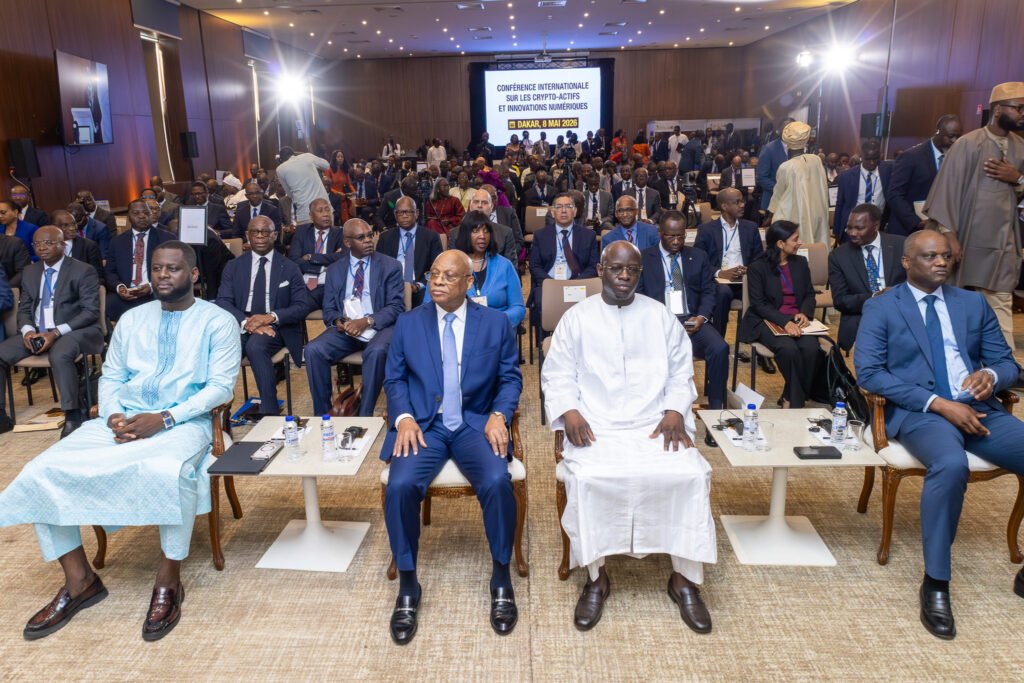
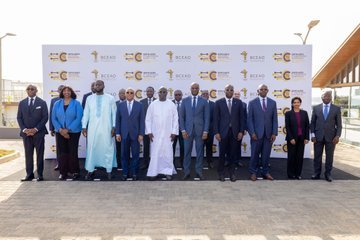
On May 8, 2026, the Banque Centrale des États de l’Afrique de l’Ouest (BCEAO) hosted a landmark international conference in Dakar titled Crypto-Assets and Digital Innovations: Opportunities and Challenges for Monetary and Financial Stability. The high-level event brought together governors from the Association of African Central Banks, alongside global leaders from the IMF, World Bank, and the Bank for International Settlements (BIS). A notable highlight was the introductory address by U.S. Federal Reserve Governor Lisa D. Cook, who discussed the rapid growth of asset tokenization and its potential to upgrade traditional financial market infrastructure.

Governor Jean-Claude Kassi Brou opened the proceedings, emphasizing that digital innovations are “fundamentally redefining financial intermediation” and require a proactive, modernized regulatory approach to safeguard the WAEMU (West African Economic and Monetary Union) region.

Key Focus Areas: Stability vs. Innovation

The conference dialogue was structured around two critical pillars:

  • Opportunities for Growth: Panelists explored how crypto-assets and stablecoins could drive financial inclusion, lower the cost of cross-border remittances, and modernize payment systems. This aligns with the region’s existing success in Mobile Money and the recent launch of the BCEAO’s Interoperable Instant Payment System Platform (PI-SPI).

  • Systemic Challenges: Significant attention was given to the risks of price volatility, cybersecurity threats, and the potential for money laundering. Senegalese Finance Minister Cheikh Diba joined Governor Brou in highlighting the need to protect monetary sovereignty—specifically the stability of the CFA franc—against unregulated digital flows.

What This Means for Bitcoin in West Africa

While the conference covered the broader “crypto-asset” umbrella—including Stablecoins, NFTs, and CBDCs (Central Bank Digital Currencies)—the implications for Bitcoin in the WAEMU region (Benin, Burkina Faso, Côte d’Ivoire, Guinea-Bissau, Mali, Niger, Senegal, and Togo) are profound.

1. Shift from “Gray Market” to Structured Oversight

The BCEAO’s tone has shifted from its cautious 2018 stance to active engagement. The creation of the C-CRYPTO committee (specifically tasked with developing cryptocurrency regulations) signals that the era of Bitcoin operating in a legal vacuum is ending. Users should expect:

  • Licensing for VASPs: Exchanges and wallet providers will likely face strict Anti-Money Laundering (AML) and “Know Your Customer” (KYC) requirements.

  • Consumer Protection: New rules aim to prevent fraud and protect retail investors from the total loss of funds on unregulated platforms.

2. Bitcoin as a Financial Tool, Not Legal Tender

The BCEAO remains clear: Bitcoin is not legal tender. However, the focus on “innovation” suggests it may be increasingly tolerated as a private digital asset for hedging or B2B cross-border settlement, provided it integrates with the central bank’s stability frameworks.

3. Regional Harmonization

The conference advocated for a unified WAEMU-wide regulatory framework. For Bitcoin businesses, this is a major win over fragmented national policies, potentially allowing a company licensed in Senegal to operate seamlessly across all eight member states.
Conclusion: A Methodical Path Forward

The Dakar conference reflects a West Africa that is no longer “waiting and seeing” regarding Bitcoin. By bringing in the US Fed and BIS, the BCEAO is looking to align its future crypto-policy with international best practices.

For the Bitcoin ecosystem in West Africa, the message is clear: Regulation is coming. While this may introduce compliance hurdles, it also paves the way for institutional adoption, greater security for users, and a more resilient digital economy across the UEMOA zone.