“Four Months in Kenya, Not Once Did I Touch Fiat”: A Zambian’s Bitcoin-Only Lifer

ADOPTION PAYMENTS PRODUCT

A Zambian traveller has just put the African Bitcoin thesis to the ultimate test. According to a post on X dated 25 May 2026, Ethel Phiri (@EthelCPhiri) spent four months living in Kenya without ever touching fiat currency. Instead, she lived entirely on Bitcoin.

“As a Zambian I stayed four months in Kenya, and not once did I touch fiat,” she wrote. “From paying bills and buying everyday goods, I’ve lived entirely on Bitcoin.”

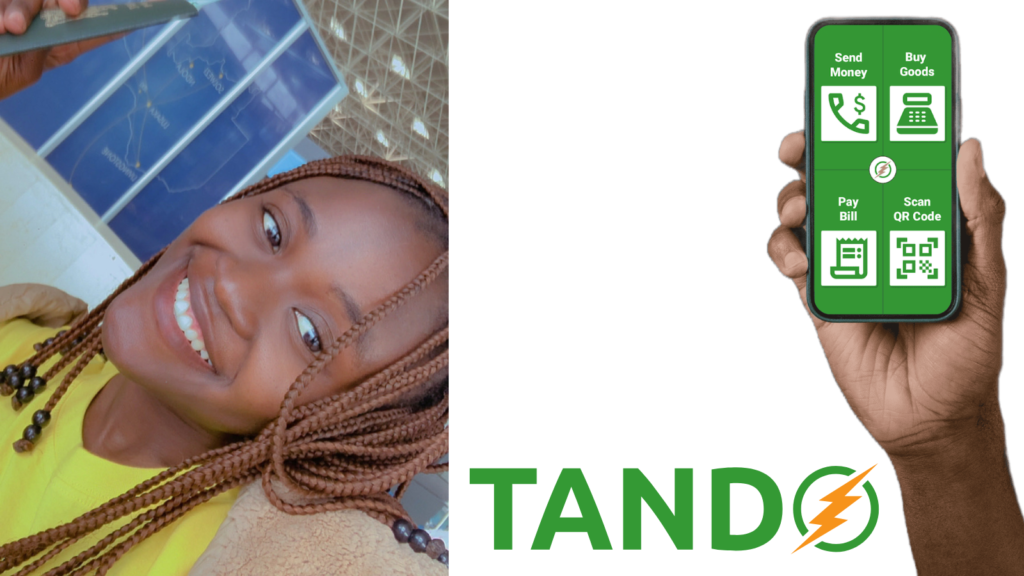
Furthermore, she made her core point plainly. “Bitcoin isn’t just theory — it’s real, practical, and working here.” The tool that made it seamless, she said, was Tando.

How a Zambian lived on Bitcoin in Kenya

The story matters because it crosses borders. Specifically, Phiri is Zambian, yet she funded four months of daily life in Kenya without converting to cash first. Therefore, her experience shows Bitcoin working as a genuine cross-border medium of exchange — not just a speculative asset.

The mechanics are straightforward. Tando lets users spend Bitcoin anywhere M-Pesa is accepted in Kenya with zero transaction fees. As a result, a Bitcoin holder can pay bills, buy goods, and send money using nothing more than a Lightning wallet and a recipient’s phone number. Bitcoinke

In short, Phiri did not need a Kenyan bank account. She did not need to carry cash. Instead, she simply spent Bitcoin, and merchants received Kenyan shillings.

What Tando actually does

Tando bridges the Bitcoin Lightning Network to Kenya’s M-Pesa mobile money system. According to Bitcoin Magazine, co-founders Jason and Sabina Waithira launched the app in July 2024.

The flow is fast and invisible. First, the user sends Bitcoin over Lightning from any wallet. Then, Tando’s Lightning node receives the payment. Finally, Tando settles the bill in shillings over M-Pesa. Notably, all of this happens within seconds.

Importantly, Tando never holds user funds. According to the company, user Bitcoin never remains in custody during transactions. Therefore, the app is a settlement tool, not an exchange. The home screen offers four simple options: scan a QR code, send money, pay bills, and buy goods.

Why Kenya was the perfect testing ground

Kenya is uniquely suited for this kind of Bitcoin life. Specifically, the country pioneered mobile money with M-Pesa back in 2007. As a result, Kenyans already pay bills, shop, and transfer money by phone every day.

Therefore, Tando does not ask users to learn a new habit. Instead, it fits into one they already have. As Waithira explained, the team deliberately built Tando to mimic the experience of using M-Pesa so it would not scare users off.

Why this matters

Phiri’s four months prove a simple point. Bitcoin in Africa is no longer a thought experiment. Instead, it is working infrastructure that real people use to live.

This is the deeper story behind Africa’s Bitcoin rise. Specifically, while much of the world debates price charts, Africans are quietly using Bitcoin as money. From MoneyBadger in South Africa to Tando in Kenya, the continent is building a Bitcoin economy one everyday transaction at a time.

And as Ethel Phiri showed, you can now cross a border, skip the bank entirely, and live for months on Bitcoin alone.

One sat at a time.

Sources