
South Africa’s June 30 Deadline: What the New Capital Flow Rules Mean for Bitcoin
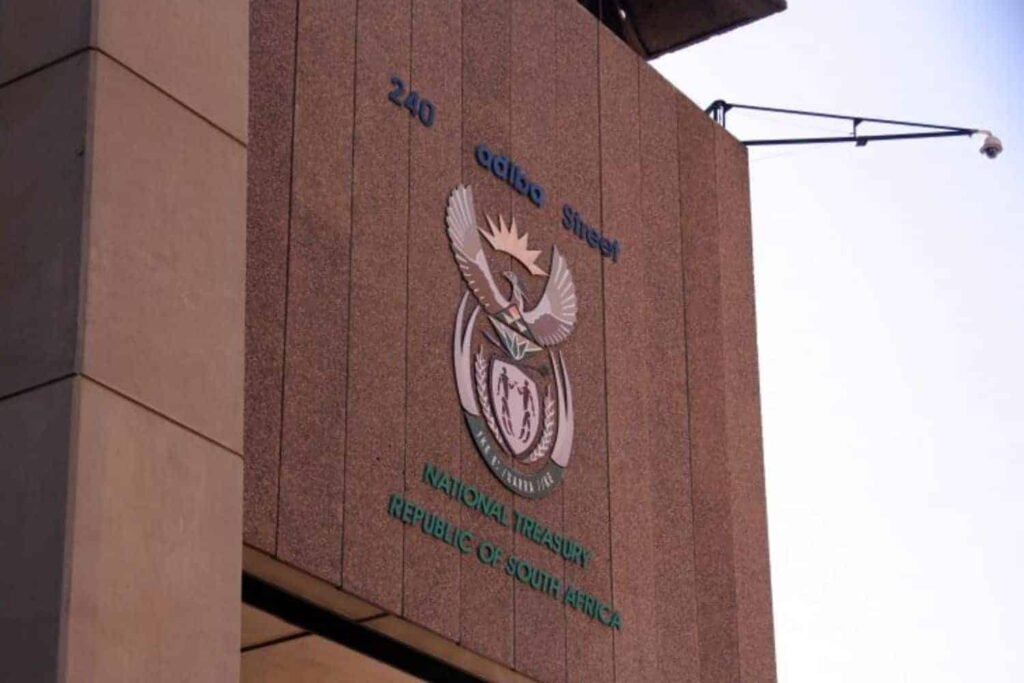
South African citizens have until Tuesday, June 30, 2026, to submit public comments on the draft Capital Flow Management Regulations. This historic overhaul by the National Treasury completely replaces the decades-old Exchange Control Regulations of 1961. Crucially, the new framework brings digital assets directly into the state’s financial surveillance network.
For the local Bitcoin community, this looming deadline represents a critical turning point. The proposed laws introduce strict border restrictions, compulsory reporting, and heavy criminal penalties that clash directly with decentralized financial freedom.
Key Pillars of the Proposed Regulation
The draft framework essentially reclassifies digital assets as legal “capital.” Consequently, the state plans to monitor digital wealth with the exact same strictness it applies to physical gold and foreign fiat currency.
-
Mandatory Reporting Obligations: First, citizens must declare all digital asset holdings in writing within 30 days if they cross a certain monetary threshold. Consequently, this rule completely eliminates personal financial privacy for long-term asset holders.
-
Strict Cross-Border Restraints: Second, all offshore asset transfers require explicit permission from the National Treasury. Therefore, this restriction severely limits global trading and independent international commercial transactions.
-
Forced Asset Repatriation: Finally, unused digital assets bought for a specific purpose must be sold back to an authorized dealer immediately. As a result, this requirement significantly limits personal autonomy over when to hold or liquidate your own assets.
Furthermore, the state is introducing aggressive enforcement powers to police these digital transactions. Border officials, customs agents, and police officers can search individuals based on reasonable suspicion of illegal asset export. Individuals who violate the regulations face fines up to R1 million, five years in prison, or a forfeiture penalty equal to the total value of the digital assets involved.
The Reality Check for the Bitcoin Community
While the National Treasury frames these rules as an effort to modernize financial systems, the implications for Bitcoin users are severe. Satoshi Nakamoto designed the underlying protocol to enable peer-to-peer sovereign value transfer without trusted third parties. However, this legislation attempts to construct an artificial border around a borderless public network.
1. The Threat to Self-Custody
First, the draft laws create a direct legal gray area for private wallet users. If a South African citizen transfers Bitcoin from a domestic platform to a private hardware wallet, the state can view this as a cross-border capital export. Depending on the final wording of the gazetted thresholds, moving your own cryptographic keys to an independent self-custody wallet could require a formal government permission slip.
2. An Outdated Understanding of Digital Money
Second, local ecosystem leaders argue that these regulations rely on completely obsolete mental models. Traditional exchange controls assume that wealth is a physical object—like a gold bar or a stack of cash—that can physically leave a country inside a suitcase.
In reality, Bitcoin does not physically move across geographical lines. The coins exist exclusively on a global, distributed ledger. When a user executes a transaction, only the ownership rights change on a public network. Therefore, forcing border controls onto a mathematical network is structurally illogical.
“Over 97% of South Africa’s money supply is already digital. It cannot be loaded onto a ship. Trying to stop people from controlling digital ledger entries completely misses how modern technology functions.” — Farzam Ehsani, CEO of VALR
Why Making Your Voice Heard Matters
Ultimately, if these rules pass without significant revision, South Africa risks isolating its citizens from the emerging global economy. Instead of attracting global technology investment, strict capital dragnets encourage local talent and capital to leave the country entirely.
The public consultation window represents the final chance for the local ecosystem to push back. Bitcoin users, node runners, and local businesses have until June 30 to submit their formal objections to CommentDraftLegislation@treasury.gov.za.