Regulatory Pressure Around Bitcoin and Digital Assets Is Increasing Across Africa

OPINIONS REGULATION

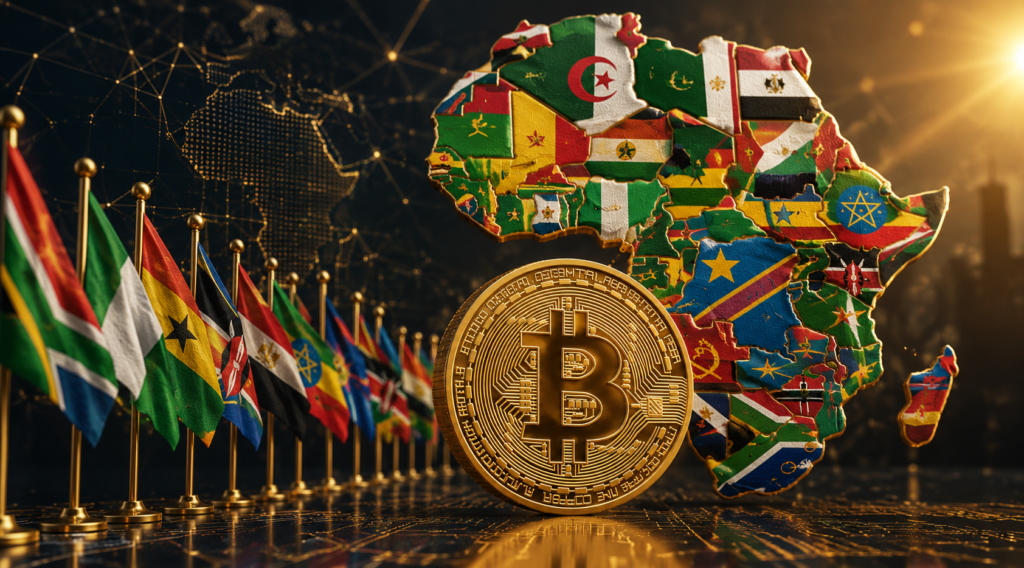
Recent developments across multiple African countries suggest that governments are increasing scrutiny around Bitcoin, digital assets, and cross-border financial activity.

Over the past few weeks, regulators and enforcement agencies across Kenya, Ethiopia, and South Africa have introduced new actions tied to taxation, exchange controls, compliance monitoring, and virtual asset oversight.

While approaches continue to differ between countries, the broader direction increasingly points toward tighter regulation and stronger institutional involvement.
Kenya Expands Focus on Compliance and Tax Reporting

In Kenya, authorities continue expanding oversight around digital asset activity.

Recent reports showed that the Kenya Revenue Authority (KRA) is seeking expanded Bitcoin transaction reporting powers as part of broader tax compliance efforts. The move could increase reporting obligations for exchanges and virtual asset providers operating within the country.

At the same time, Kenya’s Central Bank has also begun hiring for virtual asset licensing and compliance roles ahead of expected regulatory implementation.

Together, both developments signal growing institutional preparation around digital asset oversight in East Africa.

Ethiopia’s Binance Suspension Highlights Growing Enforcement Pressure

In Ethiopia, Binance’s suspension of Ethiopian Birr (ETB) trading triggered widespread backlash among users who relied on peer-to-peer markets for cross-border settlements and access to foreign currency.

The situation also highlighted how tightly digital asset activity has become linked to informal financial systems in regions facing currency restrictions and limited dollar access.

The suspension came amid broader government crackdowns targeting unauthorized forex activity and unregulated financial transfers.

South Africa Moves Toward Formal Exchange Control Oversight

Meanwhile, South Africa continues advancing proposals that could formally place Bitcoin and digital assets under stricter exchange control and reporting frameworks.

Recent discussions around the country’s proposed Capital Flow Management Regulations have raised questions around:

The proposals could eventually become one of Africa’s most detailed regulatory systems tied to digital assets and capital movement.

Regulation and Adoption Continue Growing Side by Side

Despite increasing scrutiny, Bitcoin adoption and digital payment usage continue expanding across several African markets.

This has created a growing balancing act for governments attempting to:

  • improve financial oversight
  • prevent illicit activity
  • encourage innovation
  • maintain cross-border capital controls

As Bitcoin infrastructure and peer-to-peer systems continue growing, regulation is increasingly becoming one of the defining themes shaping Africa’s digital asset ecosystem in 2026.