Ghana Legalizes Bitcoin: Inside the Virtual Asset Service Providers Act, 2025

ADOPTION
Ghana’s Virtual Asset Service Providers Act, 2025 (Act 1154) has legalized Bitcoin trading and established Africa’s most comprehensive regulated framework for Bitcoin under joint oversight by the Bank of Ghana and Securities and Exchange Commission.

Ghana Legalizes Bitcoin: Inside the Virtual Asset Service Providers Act, 2025

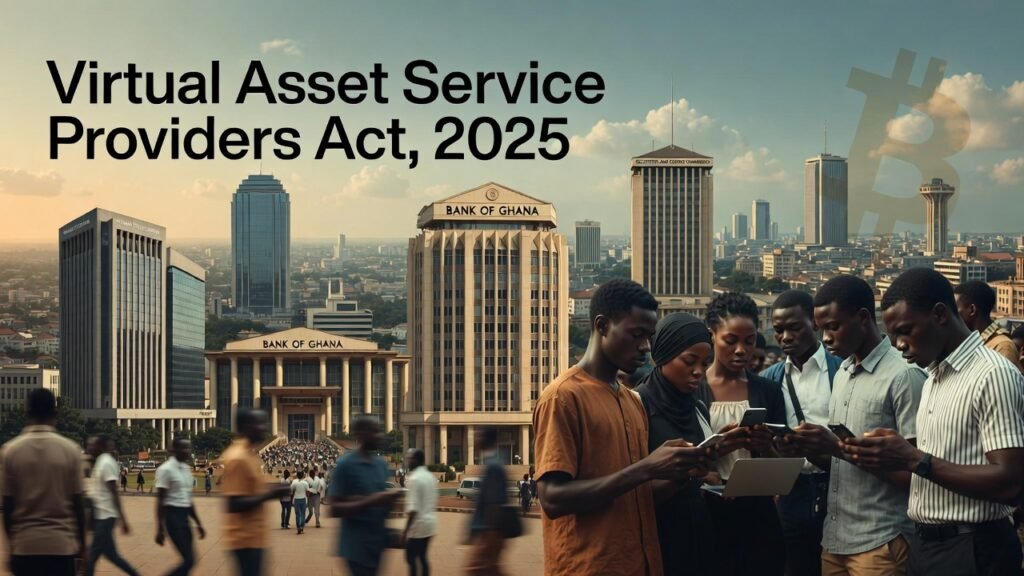
In December 2025, Ghana took a decisive step toward embracing Bitcoin and the digital economy. Parliament passed—and President John Dramani Mahama signed—the Virtual Asset Service Providers Act, 2025 (Act 1154), officially legalizing Bitcoin trading while introducing strict licensing, supervision, and consumer protections.
 
This landmark legislation ends years of regulatory gray areas in one of Africa’s most active Bitcoin markets. No longer operating in the shadows, individuals and businesses can now engage with Bitcoin under clear rules designed to foster innovation, curb risks, and align Ghana with global standards like those from the Financial Action Task Force (FATF).

From Caution to Regulation: Why Ghana Acted Now

Ghana has seen explosive Bitcoin adoption. Around 17% of adults—roughly 3 million people—regularly use Bitcoin, driven by:
  • High inflation and cedi volatility in recent years
  • Demand for low-cost, fast remittances (a major GDP contributor)
  • Growing youth interest in Bitcoin as an investment alternative
  • Peer-to-peer platforms filling gaps left by traditional banking
Previously, the Bank of Ghana (BoG) issued warnings about unregulated activities. But grassroots momentum proved unstoppable. By late 2025, lawmakers recognized that outright bans were ineffective—regulation was the smarter path.
 
The Act creates the Virtual Assets Regulatory Office (VARO) within the BoG to lead supervision, while the Securities and Exchange Commission (SEC) handles aspects tied to investment products. A dedicated regulatory sandbox lets startups test Bitcoin-related innovations safely.

Core Provisions of Ghana's Bitcoin Law

The Virtual Asset Service Providers Act, 2025 delivers a balanced, forward-looking framework focused on Bitcoin and related services:
  • Mandatory Licensing & Registration
    All VASPs—exchanges, custodial wallets, brokers, and custodians handling Bitcoin—must register with the BoG and obtain licenses to operate legally.
  • Strong AML/KYC & Consumer Safeguards
    Providers face rigorous know-your-customer (KYC), anti-money laundering (AML), and transaction monitoring rules. Users gain protections against fraud, plus clear dispute resolution mechanisms.
  • No Legal Tender Status
    Bitcoin remains an investment asset—not legal tender—preserving the cedi’s primacy while allowing private use and trading.
  • Transitional Rules & Sandbox
    Existing operators receive a grace period to comply. The SEC’s virtual asset sandbox supports controlled experimentation with Bitcoin tools and platforms.
  • Advertising & Promotion Controls
    Public marketing of Bitcoin is regulated; unauthorized campaigns (including billboards) have faced enforcement actions in early 2026.
These measures aim to build trust, attract legitimate investment, and position Ghana as a Bitcoin hub.

Economic Impact: Remittances, Inclusion, and Regional Leadership

The new law unlocks real benefits for Bitcoin users:

  • Cheaper, Faster Remittances — Bitcoin reduces costs for the diaspora sending funds home.
  • Financial Inclusion — Unbanked Ghanaians gain access to borderless Bitcoin finance.
  • Job Creation & Investment — Licensed Bitcoin platforms and startups can scale, drawing foreign capital.
  • Continental Influence — As one of the first African nations with a full VASP regime, Ghana sets a model for neighbors like Nigeria, Kenya, and South Africa.

Challenges remain—volatility, potential scams, and enforcement capacity—but the framework prioritizes safety over restriction.

The BoG and SEC are rolling out licensing in phases throughout 2026. Application processes, detailed guidelines, and full operational rules are expected by Q1/Q2. A major Digital Assets Summit Africa (DASA) planned for 2026 in Ghana will bring global Bitcoin players together to discuss the continent’s future.
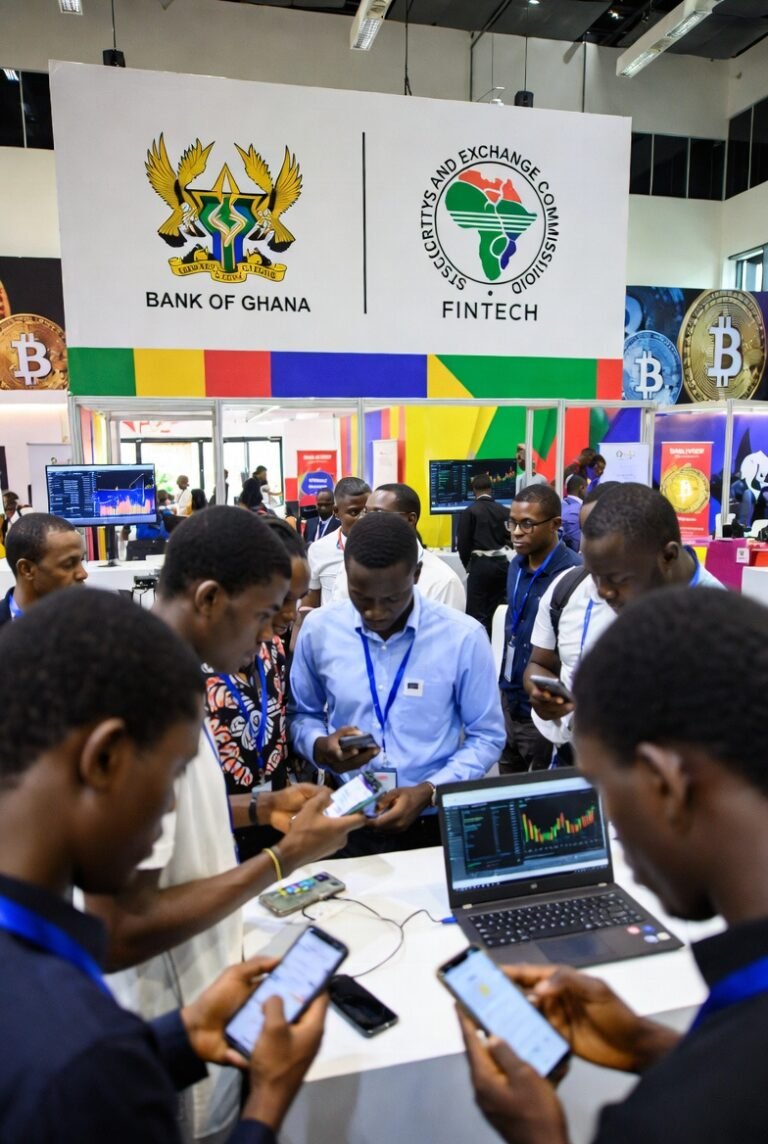
For Bitcoin enthusiasts, everyday users, and businesses across Africa, this move signals maturity: Bitcoin is no longer fringe—it’s regulated, recognized, and ready to drive inclusive growth.