Why Bitcoin Mining Solves Africa’s Energy Paradox

OPINIONS ENERGY MINING

Africa faces a unique energy paradox: the continent is blessed with abundant renewable energy resources, solar, hydro, wind, and geothermal, yet nearly 600 million people (43% of the population) lack access to electricity.

The problem isn’t energy scarcity. It’s economics.

Building power infrastructure requires massive capital investment, but rural communities with low purchasing power can’t generate enough revenue to justify the expense. Energy producers face a chicken-and-egg problem: they can’t build infrastructure without customers, and customers can’t materialize without infrastructure.

Enter Bitcoin mining as the missing economic piece.

Bitcoin miners act as ‘anchor tenants’ for mini-grid operators, providing guaranteed 24/7 demand that makes renewable energy projects financially viable from day one. When local demand is low, miners consume the surplus. When a clinic opens or a welder starts working, miners throttle down instantly.

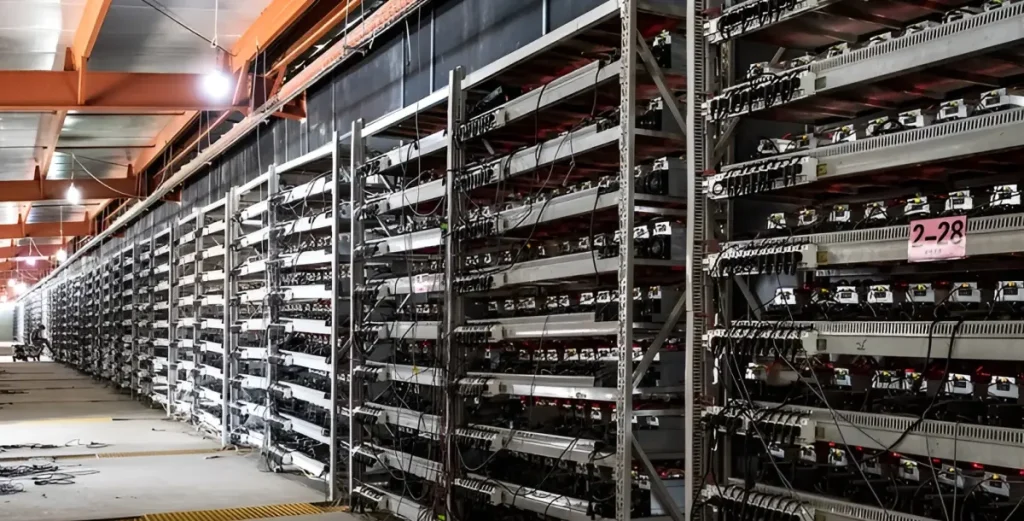
Companies like Gridless Compute have proven this model works. In Zambia, their first-year operation enabled 400 families and 40 businesses to gain electricity access because Bitcoin mining revenue stabilized the mini-grid financially.

Critics argue Bitcoin mining ‘wastes’ energy. In Africa, it’s the opposite. Bitcoin mining monetizes energy that would otherwise be completely wasted, turning stranded watts into economic value that funds electrification.

The result? Communities pay 60% less for electricity than before, plant owners finally turn a profit, and 15,000 people get reliable power for the first time. All enabled by Bitcoin mining.

The traditional development model (waiting for grants from the World Bank) has failed to solve Africa’s energy access crisis for decades. Bitcoin offers a market-based alternative that aligns incentives.