
Beyond Lagos and Nairobi: Bitcoin Adoption in Africa’s Underserved Regions
Bitcoin adoption in Africa is often described as inevitable.
The narrative is familiar: young population, mobile-first economies, weak currencies, and a deep mistrust of institutions. Add meetups, conferences, Twitter spaces, and wallet downloads, and it’s easy to conclude that adoption is well underway.
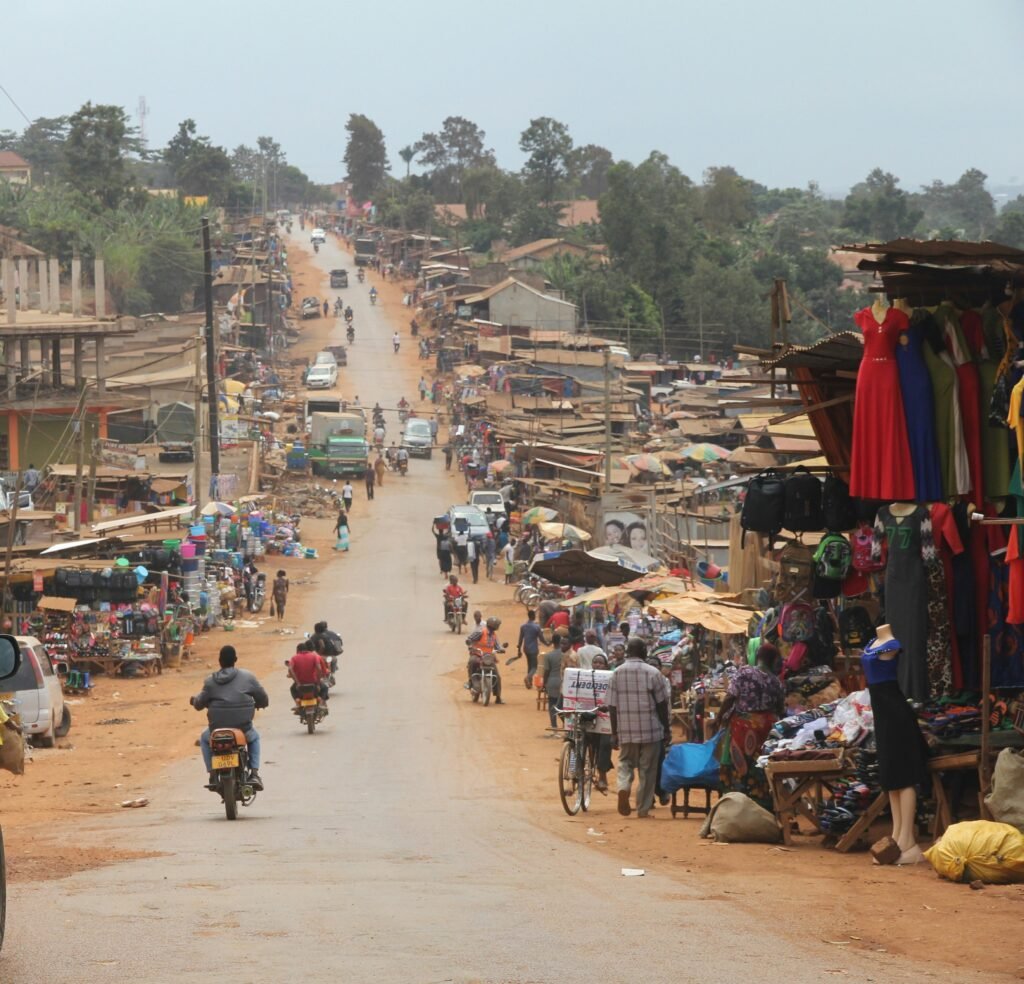
But that narrative starts to crack the moment you leave Lagos and Nairobi.
Over the past year, through my work with African Bitcoiners and Africa Free Routing, I’ve had the opportunity to attend and organize meetups, run bootcamps across multiple African cities, and sit in rooms with people encountering Bitcoin for the first time. What I’ve learned is simple, uncomfortable, and necessary:
Exposure is not understanding. And enthusiasm is not adoption.
When Bitcoin Finally “Clicks”
At one meetup I spoke at in partnership with Evento, a participant raised his hand during the Q&A and said something that stayed with me:
“Thank you. This is the first time I actually understand Bitcoin.”
He wasn’t new to the space.
He had watched videos.
He had listened to talks.
He had heard people speak very confidently about Bitcoin.
What surprised him — and me — was that I didn’t do anything special.
I didn’t talk about hash rates or nodes.
I didn’t start with cryptography or monetary policy jargon.
I simply explained the evolution of money: barter, gold, fiat, and why Bitcoin exists to address the failures of the systems before it. Then I showed him an inflation simulator we built at African Bitcoiners, comparing what would have happened if he had saved in naira versus Bitcoin over the same period.
When he saw the numbers, the questions stopped being technical.
They became human.
Why didn’t anyone explain it like this before?
This moment revealed one of the biggest adoption barriers we rarely talk about: language. Jargon is an adoption tax, and it disproportionately excludes people outside the usual Bitcoin circles.
Fear Isn’t What We Think It Is
Another surprise came from the questions people asked.
Yes, volatility came up — as expected. But one concern surfaced repeatedly and caught me off guard:
“What if all the big Americans buy all the Bitcoin? What will be left for us?”
This wasn’t ignorance. It was fear — not of Bitcoin failing, but of being excluded from it.
For many people in underserved regions, Bitcoin is not evaluated as a speculative asset or an ideological project. It’s evaluated as a scarce opportunity. The fear isn’t being wrong early. It’s being locked out late.
That distinction matters.
A Humbling Realization
I had my own moment of humility at the Africa Bitcoin Conference.
I tried to pay for a bag using Bitcoin. The vendor looked at me and asked, “What is Bitcoin?”
I explained. I had to mention “crypto” before there was recognition.
The same thing happened at airports in Mauritius and Madagascar.
Airports are touchpoints for people from different countries, backgrounds, and currencies. If Bitcoin were anywhere close to being a universal medium of exchange, these places should reflect that reality.
Instead, I walked away frustrated — and then humbled.
I realized how easy it is to mistake being inside the Bitcoin space for Bitcoin being everywhere. In many cities, people haven’t heard of it. In others, they’ve heard of it and want nothing to do with it.
Adoption is not where we are. It’s where they are.
Utility Changes Everything
One pattern became clear across meetups and bootcamps: utility dissolves fear faster than ideology.
The moment people understand that they can receive Bitcoin and easily convert it to local currency through reliable off-ramps, their posture changes. Relief replaces skepticism. Curiosity replaces resistance.
People don’t want Bitcoin in the abstract.
They want options.
They want control.
They want usefulness.
Optionality builds trust.
When Women Enter the Room, the Problems Change
Some of the most profound insights came from spaces where women were actively involved.
During one hackathon, a group of women proposed a solution centered around a problem I had never heard discussed in a Bitcoin context: access to breast milk for mothers who are unable to lactate.
In parts of Nigeria, relying on baby formula carries stigma. Some women cannot produce enough breast milk and are forced into silence and anxiety. The idea was a breast milk bank — where donors could be tested, compensated, and protected.
Bitcoin wasn’t the headline.
Privacy was.
Receiving payment in Bitcoin meant donors could be compensated without exposing their identities, avoiding stigma while solving a deeply personal problem.
The project didn’t win. But it revealed something important: when women enter Bitcoin spaces, the problems Bitcoin is applied to fundamentally change.
Inclusion isn’t a moral checkbox. It’s a design advantage.
Interest, Intention, and Reality
Another pattern we’ve observed is what happens when developers are introduced to Bitcoin.
Many arrive curious and genuinely excited about building on Bitcoin. They ask thoughtful questions, explore ideas, and imagine solutions rooted in Bitcoin’s values.
But for many, that excitement collides with reality.
Bitcoin development is hard. The ecosystem moves deliberately. The incentives are not always immediate. And for people operating in fragile economic environments, time is not an abstract concept — it is survival.
This doesn’t mean interest disappears. It means intention meets constraint.
Understanding this tension matters. Because adoption is not just about belief or ideology — it is shaped by the material conditions people live in.
The Meetup Illusion
From the outside, it’s easy to look at packed meetups, recurring faces, and energetic conversations and conclude that adoption is accelerating.
But density is not depth.
Meetups tend to attract people who already agree, already believe, already belong. When we stay within those loops, we risk mistaking reflection for reach.
On the ground, especially in underserved regions, Bitcoin is still unfamiliar, misunderstood, or seen as irrelevant. The enthusiasm exists — among women, young people, and adults alike — but it is fragile and uneven.
Bitcoin may be for everyone.
But the path to it is not the same.
A Necessary Reframe
What I’ve learned isn’t that Bitcoin is failing in Africa. Far from it.
What I’ve learned is that one-size-fits-all adoption narratives don’t survive contact with reality.
Different people need different entry points.
Different communities require different tools.
Different problems demand different applications.
The potential at the grassroots is enormous.
So is the responsibility.
And until we design for people outside our own reflection, adoption will remain louder on Twitter than it is on the ground.